
1945

January 27: The Baltimore Branch of the National League of American Pen Women — a poetry group — met this evening at the home of Mrs. Howard Kahn, 2513 Liberty Heights Avenue on the west side of Druid Hill Park.
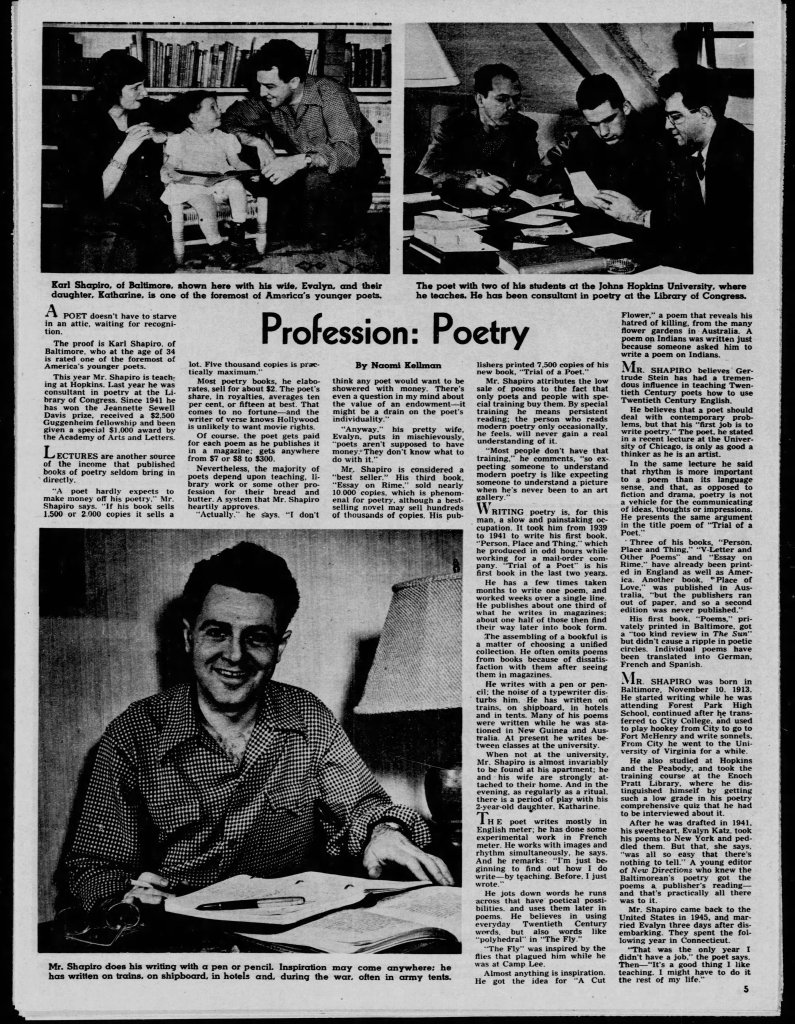
October 1945: Baltimore City College graduate Karl Shapiro awarded Pulitzer Prize for Poetry.
1946
November 22, 1946
Poetry Group to Hear Hart

Richard Hart, head of the literature department of the Enoch Pratt Free Library on Cathedral Street, speaks on “The Place of Maryland in Poetry,” before members of the local Catholic Poetry Society today Maryland at 3:30 p.m. today in the Library of the College of Notre Dame of Maryland. A profile of Mr. Hart this same year described him as “the liaison officer for Baltimore’s literati.”
1947
April 4, 1947

1948
February 15, 1948
1950
October 13, 1950

October 15, 1950

1951
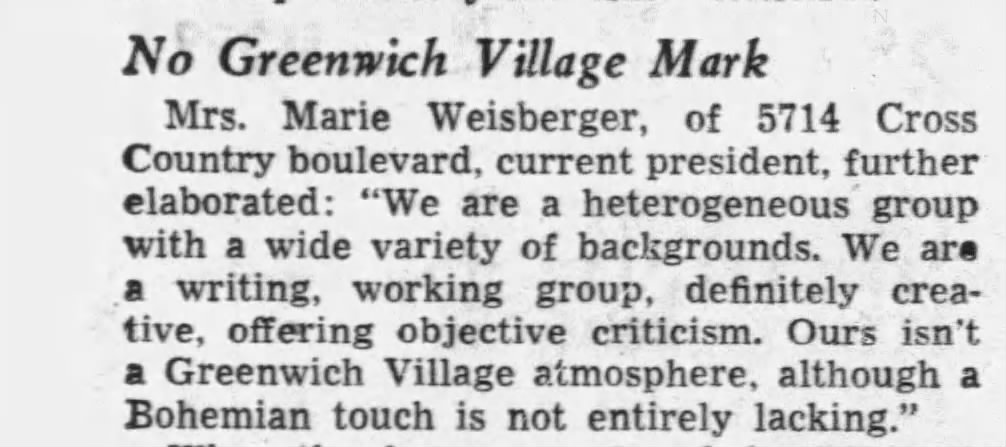
Notes from April, 1951 meeting of the Baltimore Writers Forum poetry group, 305 West Monument Street. Organization founded Oct. 15, 1946.
1954
December 8, 1954

Mary Owings Miller, 4204 Roland Avenue, now in her 13th year of publishing Contemporary Poetry. The journal began as Poetry Forum. The journals were produced quarterly from 1941-1949 and annually from 1950-1970.
1973
September 18, 1973
1996
2020
August 22, 2020
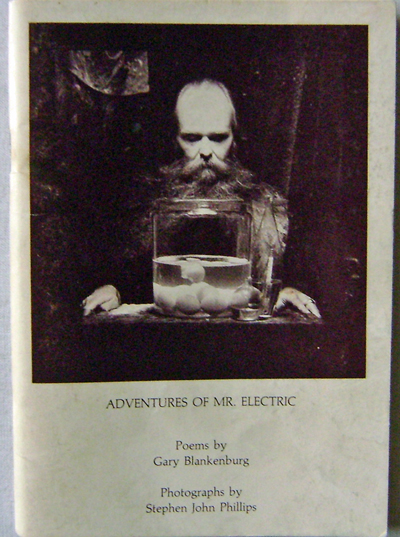
Poet and teacher Gary D. Blankenburg, 79, of Sparks died August 22 of respiratory failure. Active in the Baltimore poetry scene in the 1980s and 90s, he published eight books.
Born in Illinois, “Dr. B” taught English in the Baltimore area for 41 years, including 32 years at Catonsville High School, where his Creative Writing program helped launch the careers of successful poets, professors, novelists and screenwriters.
A beloved teacher, mentor and friend, he will be remembered for his lush beard, his honesty and his humility.
Gary loved literature, movies, cigars and his home in the country. He is survived by his wife Jo, son Hobart and his wife Sara, granddaughter Aria and sister Cynthia Johnston.
Memorial contributions can be made to Maryland Food Bank, mdfoodbank.org
September 15, 2020

2021
November 2, 2021

Baltimore Sons — poems by Dean Bartoli Smith
reviewed by Alan C. Reese
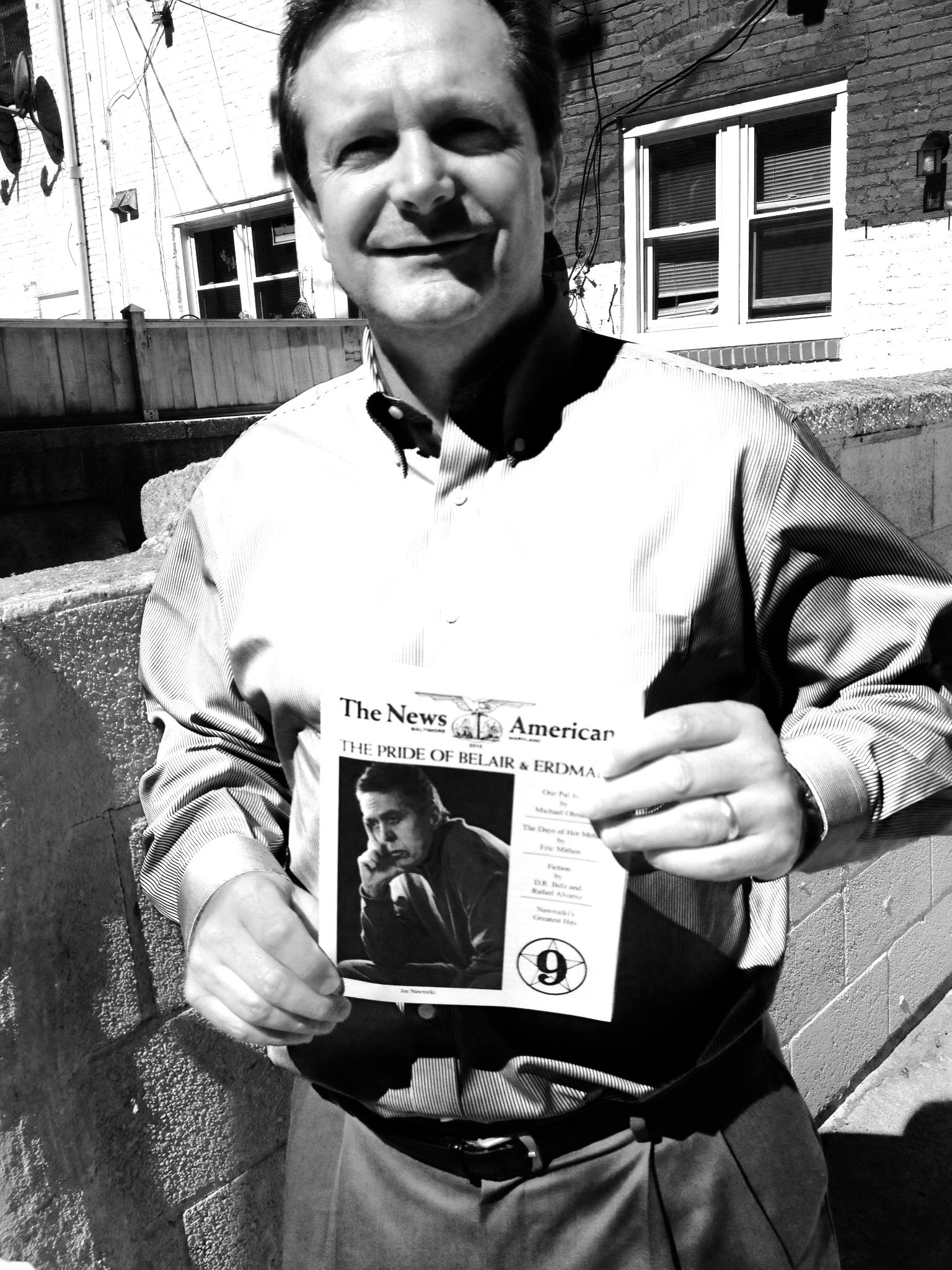
Dean Bartoli Smith stands outside of Roman’s Place at the corner of South Decker and Baltimore Streets in East Baltimore with a memorial booklet for veteran newspaperman Joe Nawrozki. A poet with roots in the old city neighborhoods of Orangeville and Govans, Smith released the collection Baltimore Sons in 2022.

Like many Baltimoreans of a certain age — those born between the Eisenhower and Carter Administrations — Bartoli still mourns the loss of the beloved Baltimore Colts and the destruction of Memorial Stadium on 33rd street. His poetry mourns both bricks and bodies that have fallen in Baltimore since the Second World War.
2022
May 16, 2022
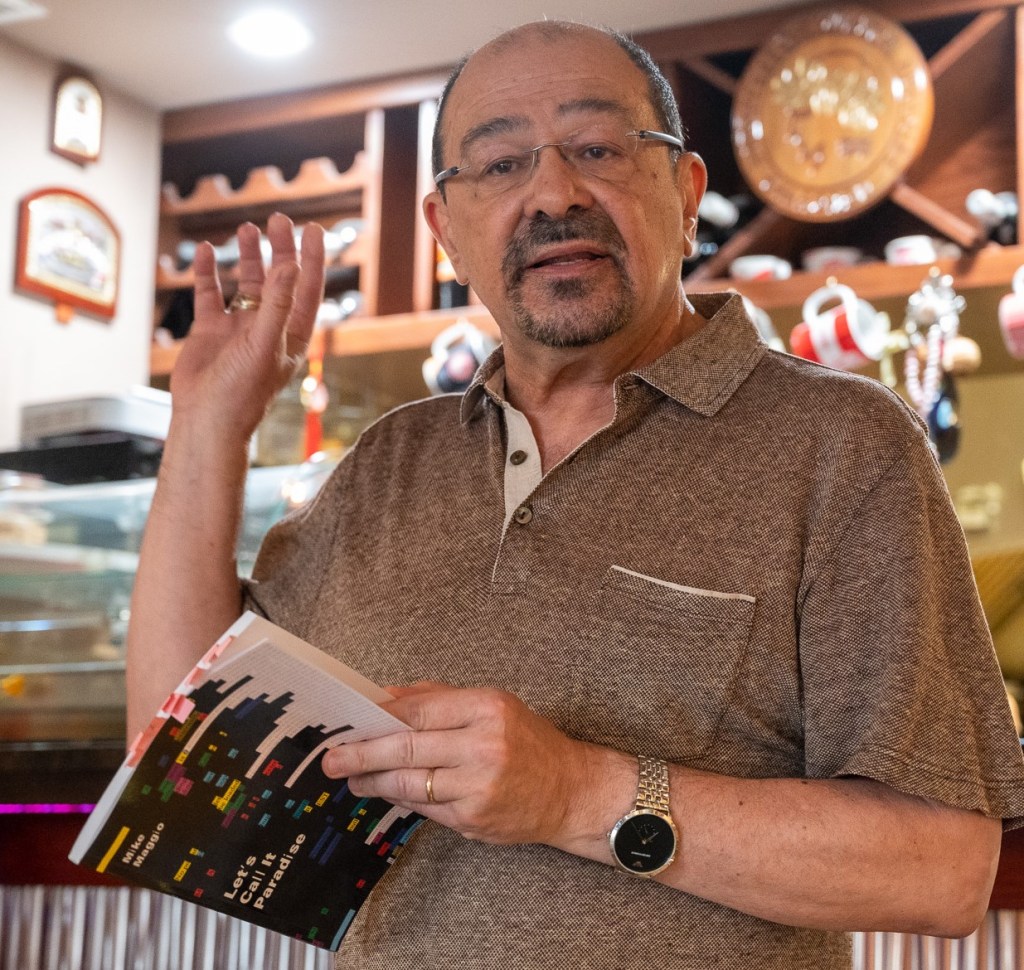
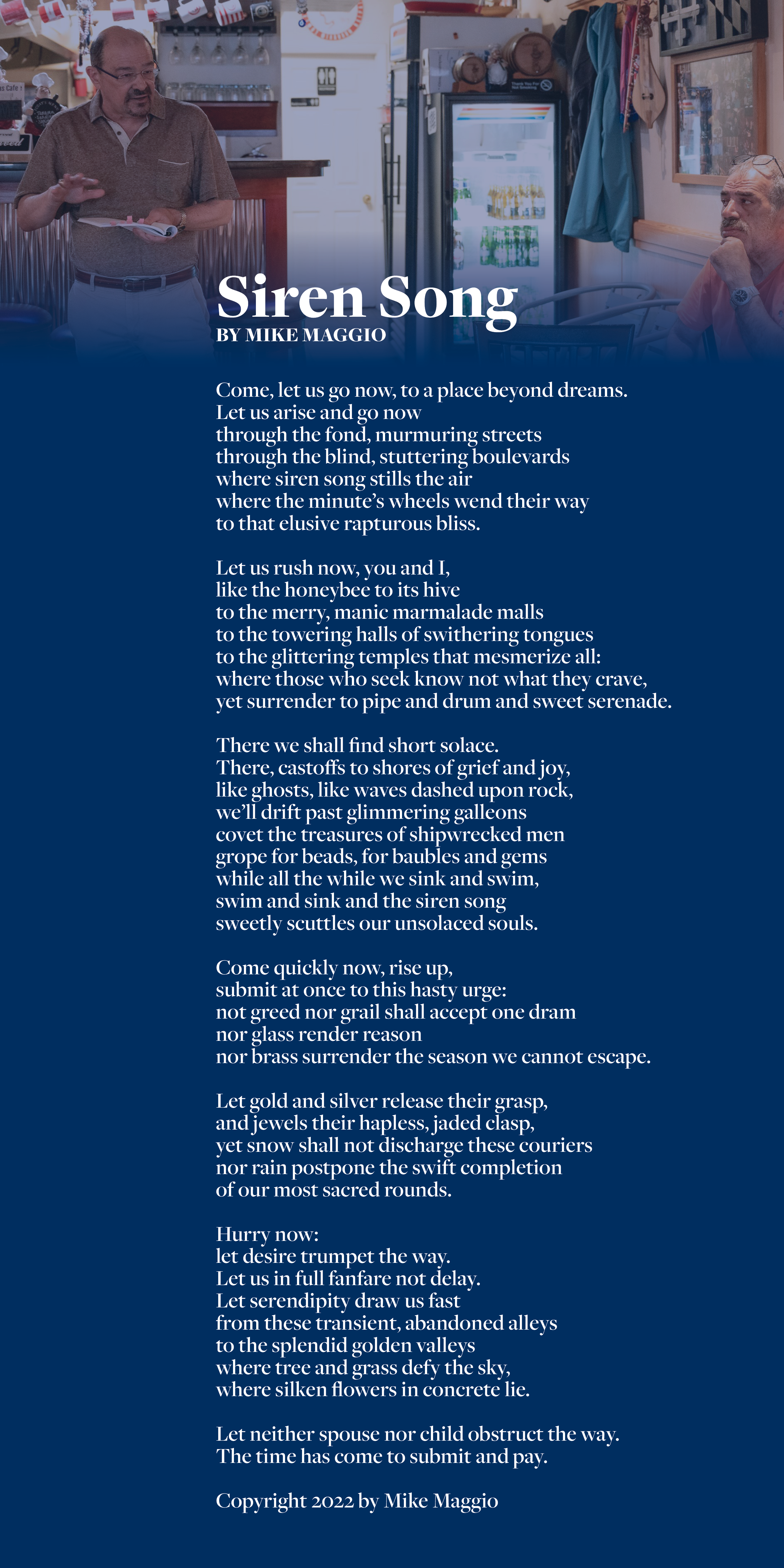
Maggio, a native New Yorker long in Northern Virginia, read from his new work “Let’s Call It Paradise” on a Monday evening at Karella’s Cafe in the Greektown neighborhood of Baltimore.
May 29, 2022

Braciole Journal co-founders at READINGS WITH RALPHIE / Ikaros Restaurant in Greektown, Baltimore
2022
November 24, 2022
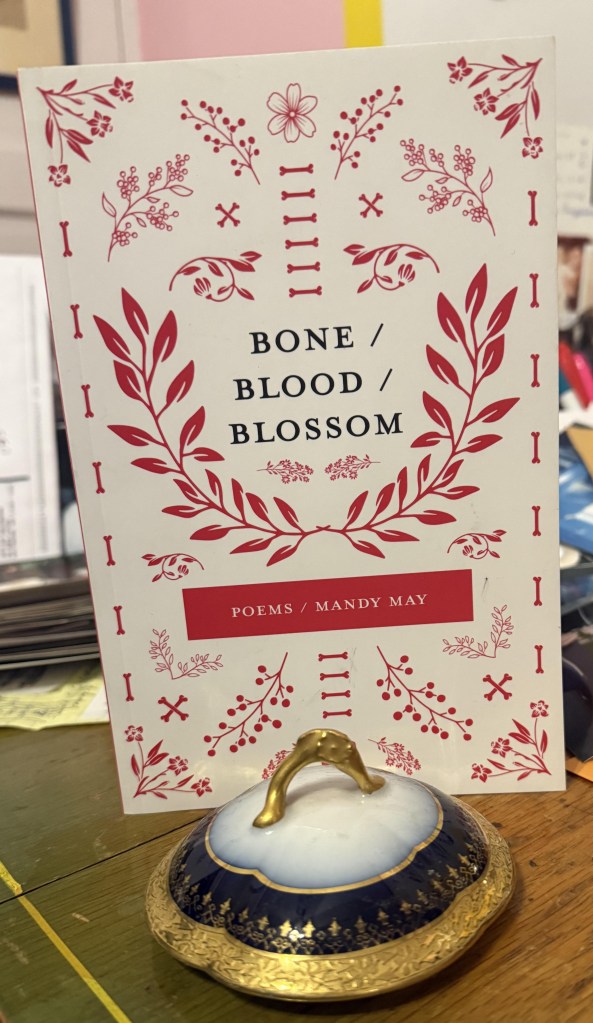
Baltimore poet: Amanda “Mandy” Rose May, 1986-2022
“Mandy believed in ghosts. Mandy believed in rocks and stars and the power of burning the right things in the right way. She believed in words, in saying the words, in finding the words …”
2024
February 13, 2024

Baltimore poet Joe Harrison died at home on February 13, 2024

September 27, 2024
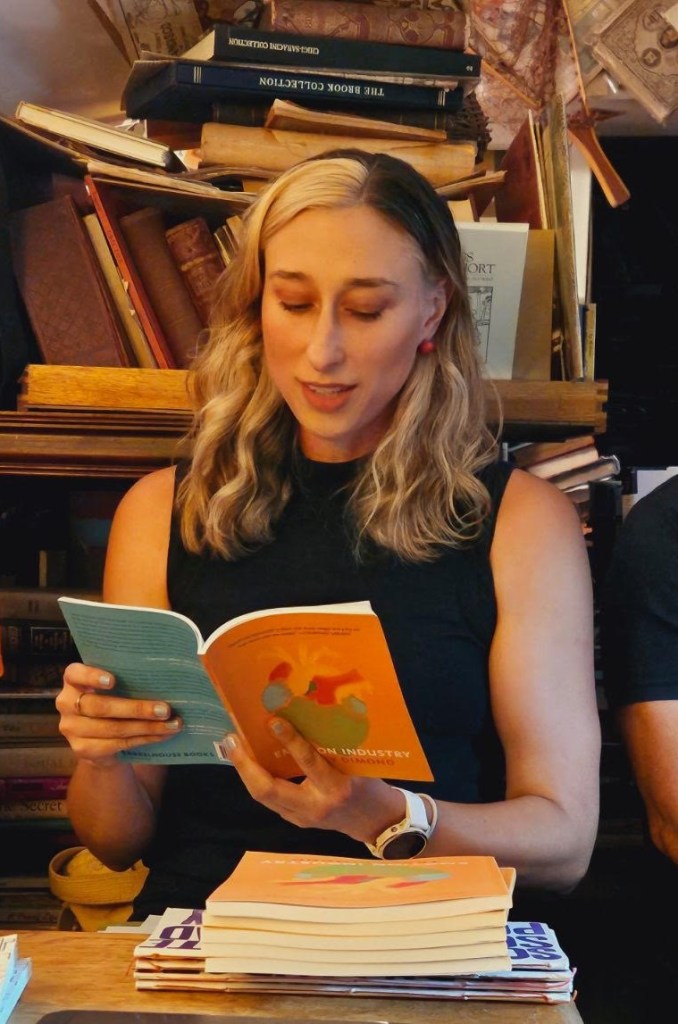
By Tracy Dimond
On a humid, late-summer night in Baltimore, about a dozen literature lovers gathered in Ned Sparrow’s Station North Books for an evening curated by Rafael Alvarez. When Rafael asks you to read, you don’t say no. You say yes, then ask questions. The most important element to understand is that he taps into his decades of storytelling experience to bring people together.
Although her ceilings in Paris were surely much higher, walking into Station North Books felt like a Gertrude Stein-style salon with a more impressive, if haphazard, collection of books. The introvert in me wanted to browse the shelves all night, perhaps finding a rare Stein as another way to feel close to her work. We are living in a political landscape just as, maybe even more, absurd than post-World War I. And we can all watch it in real-time on our smartphones.
As folks ducked inside, we settled into a circular arrangement. Through introductory conversations, the readers looked at each other knowingly, as if we could telepathically share that tonight we would draw each other in. Then we agreed, out loud, that we’d tell stories. Conversation, rather than performance.
Gregg Wilhelm started the night with a braided essay that reflected on sobriety with humor and grace. A television writer by trade, Mick Betancourt had us on the edge of our seats with a real-life Chicago story of impossible coincidence. You think you may have ruined someone’s life, but then you learn they would have made the same decision in any other circumstance.

Rafael opened with a story he had never shared before, but not before his long-time friend, Tyrone “Mister 49%” Crawley took us on a journey about their time at the Social Security Administration together during the Ford Administration. Time wasn’t an issue. What really mattered was feeling the love he had for one of his oldest friends.
As Tyrone often says of their friendship, “One noose, two necks …”
I read after Gregg. Much of my writing is about the discomfort of being in a room full of men, but there we were. The conversation would be our connection point. That’s more breath than I’m used to. I have a hard time letting my writing breathe.
Rafael has referred to my writing as concentrated orange juice – add three cups of water and watch it expand – and I agree. Especially in my collection EMOTION INDUSTRY, I am hitting the reader with a bat. Want to feel the daily pummel of chronic illness? Whack. Want to feel what it’s like to be followed in public? Whack. Want to internalize the message that women are only as useful as their fertility? Whack. Whack. Just put my poetic bat next to Babe Ruth’s 44-ounce club.
My patience and kindness is reserved for people, not systems & expectations. One of the underlying themes in EMOTION INDUSTRY is my frustration with the medical system.
I went for a decade with undiagnosed endometriosis, & this collection was all written while I was seeking care for unbearable symptoms, but told by multiple healthcare professionals that I was a picture of health.
I don’t know anyone who has had a severe illness who says they had a smooth time receiving the care they need. I remind myself of that, then dive into reading my absurdist, rage-filled poems & wait to see how folks respond. I have been surprised, saddened, elated all at once to see how much they resonate across demographics.
After some excited, lingering conversation, we parted ways. I drove back to my home in Waverly – not far from the spot where Memorial Stadium once stood, buoyed by the connections of the evening, grateful all of our storytelling exists.
2025
March 11, 2025

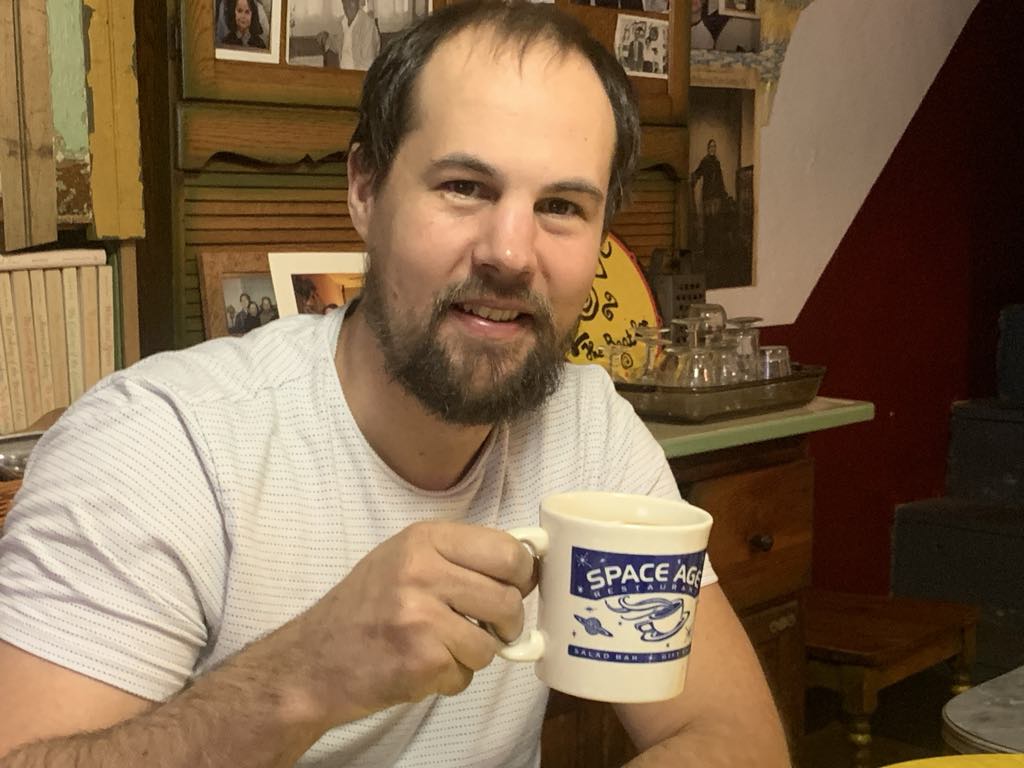
Craig Bowman, a once homeless poet in Los Angeles, visits the Holy Land of East Baltimore to share the good news of his stable life, vocation and poetry with Alvarez. His work will appear here soon.
Next stop: CRABTOWN USA
By Craig Bowman
I’d been hauling cargo across the U.S. for the Ukrainians—a strange stretch of my life where truck stops and highways felt more like home than anywhere else. My world was gas stations, and asphalt, and the deep purr of a diesel engine keeping me company through endless miles.
By chance—or maybe something more—I ended up in Baltimore.
The fog off Chesapeake Bay rolled in thick, and swallowing the skyline. The air smelled like salt and sailors, tugboats and iron. Women stood on the docks, waving goodbye to men who might never come back—a scene that felt frozen in time.
Baltimore greeted me like an old sailor too tough to quit—worn down, weathered, but still here. I could appreciate that. In the historic districts, neighbors sat out on their stoops, chatting like they’d been there forever. You could almost hear horse hooves clicking on cobblestone or imagine Poe himself pacing those narrow streets.
March turned the landscape brittle—gray and hard like steel. At night, I’d sit in my van at some forgotten truck stop, wrapped in blankets with Don Quixote on my dash and a spit cup stuffed with napkins beside me. Through the glow of streetlights, I’d watch the city breathe—buzzing with an energy that felt like it was rising from the pavement itself. Somehow, it felt right. Maybe this was what it meant to be a middle-aged American—living quiet nights alone in some city’s shadow, finding peace in the stillness.
Baltimore felt familiar. My past had been sweat, blood, and broken bones. I carried that with me—the same tired look I saw on the faces of the men who built this place. Dock workers who came home stinking of crab and grease, men who spent their lives grinding it out because they had no choice. They built these red brick buildings with their own hands—now abandoned, scarred with graffiti, claimed by bandana gangs drifting off through the siren-filled streets.
There’s a danger here—something exciting and uneasy. But if you listen closely, there’s calm beneath it—a quiet hum that feels like the past still lingering, like the ghosts of Baltimore haven’t quite moved on.
Lying there under the glow of city lights, I found myself grateful—for the dust, the gum pressed under bus stop benches, and even the homeless woman bathing in a sea of trash along the highway brush. There’s something distinct about this place—a pulse that crackles through the streets, spilling out from D.C. and running north to New York. Baltimore wears that energy like a second skin.
I knew I stood out. My brown flannel reeked worse with every mile, and my face carried the look of a man who’d been to five cities in a week. That unsettled look—like I’d be leaving any minute.
And just like that, the Ukrainians found me a load, and I was back on the road.
May 26, 2025

In 1950 he joined the Army and was sent to Korea but broke his collarbone while stringing telegraph wires. He received an honorable discharge and started a family in Baltimore with my mom…”
Memorial Day 2025
by Jackie Oldham
I will not be driving
to the cemetery today.
That tradition died with Mom.
We would stop at a store
to buy flowers.
Then, we would drive
to King Memorial Park
in Woodlawn.
For their annual Memorial Day
Service and Picnic,
replete with food and music
and preachers.
We had to snake through
the throngs of people and cars
to lay flowers on
my brother’s grave.
My brother was not a Veteran.
But we honored him
just the same,
in sunshine and in rain.
If there was enough time,
we would drive on
to Garrison Forest,
where my father, a Korean War Vet,
was buried, and lay flowers
on his grave.
Then, we would drive back
to Mom’s house.
Empty and still, Mom’s house
held the ghosts of
Memorial Days past:
Family Cookouts.
Aunts and uncles and cousins
spilling out of the house
to eat and drink and play
before gathering
to watch the ceremonies.
On the TV set in the living room,
live from Washington, D.C.,
celebrities and military bands
would play stirring songs
of derring-do before
the Grand Finale–
The 1812 Overture–
cannons shot, fireworks sparked,
while we ate
red, white, and blue desserts
and oohed and ahhhed,
and everyone left for home.
 History of Poetry in Baltimore / 1945 to the present